
How to Play Riftbound: Rules, Deckbuilding, Scoring, and Your First Games
Learn the win condition, deck rules, turn structure, combat, archetypes, and decisions that matter most in a first game of Riftbound.

Riftbound is easiest to learn when you understand what the game is asking you to accomplish. You are not trying to reduce a life total to zero. You are trying to control contested battlefields, score points, and reach eight before your opponent. Every card choice and combat decision should ultimately support that race.
This guide combines the original rules primer, archetype explainer, and scoring guide into one path. For the current rules text, use the living rules and errata reference; the explanations below are intended to help you understand the game, not replace Riot's Rules Hub.
The official foundation
Official rule: a constructed deck starts with a Champion Legend, two Domains, a 40-card main deck, and a 12-card rune deck. The Champion Legend establishes your domain identity. Cards in the main deck must fit that identity, and deckbuilding restrictions such as copy limits, Signature, and Unique still apply.
Official rule: the normal win condition is eight points. Players earn points by conquering battlefields, and the final-point rule changes how the last stretch of the game is played. A player sitting on six points is often already in lethal range: controlling both battlefields can end the game, while holding one can create a safer route to the last points.
Setup and the ABCD turn
Riftbound turns are commonly remembered as ABCD: Awaken, Beginning, Channel, Draw. Ready exhausted cards, resolve start-of-turn effects, channel a rune, and draw before entering the action phase. The mnemonic matters because missed resources early in the turn create avoidable mistakes later.
During the action phase, players alternate actions rather than taking long isolated turns. You can play cards, move units, activate abilities, or pass. That back-and-forth makes open energy meaningful: an opponent who has not spent resources may be representing interaction, movement, or a combat trick.
When units contest the same battlefield, a Showdown resolves combat. Might, damage, temporary modifiers, and relevant abilities determine which units remain and who controls the location. New players should announce targets, totals, and the order of effects clearly. It prevents errors and builds habits that transfer directly to organized play.
Aggro, control, and combo
Riot's broad archetype language is a useful starting point:
- Aggro develops pressure early and tries to make every opposing action defensive.
- Control protects a battlefield, trades efficiently, and wins after the opponent runs low on useful actions.
- Combo assembles an engine or specific sequence whose combined payoff is stronger than its individual cards.
Riftarc's practical addition is midrange: many successful Riftbound decks simply play durable threats, efficient interaction, and flexible movement. Do not force a list into a label. Use the labels to identify what your deck should be doing when both players have reasonable draws.
Plan the route from six to eight
The most common beginner error is winning a combat without improving the scoring plan. At six points, ask three questions before committing cards:
- Can I threaten both battlefields this round?
- If I focus on one, can the opponent retake it before scoring?
- What interaction am I allowing them to hold by spending everything now?
Sometimes the correct play is to spread out and threaten an immediate finish. Sometimes it is to reinforce one battlefield, deny the counterattack, and score more slowly. Count potential points before calculating combat—not after.
A first-game checklist
- Pick a preconstructed deck or a simple midrange list with a clear Champion plan.
- Confirm the Legend, Domains, 40-card main deck, and 12 runes.
- Keep the ABCD sequence visible for the first few games.
- Say what each action targets and track floating resources openly.
- Review one lost turn after the game: the first bad decision is usually more useful than the final combat.
Once the flow feels natural, use the starter and budget buying guide to choose a product, then the first tournament guide when you are ready for store play.
The useful takeaway
Good Riftbound play is purposeful. Build around a coherent Champion plan, preserve options during alternating actions, and measure every fight against the eight-point race. If you can explain how your next action helps you score—or stops your opponent scoring—you are already playing the real game.
Cards that illustrate the fundamentals
Explore the verified catalogue cards referenced by the source articles and analysis above.
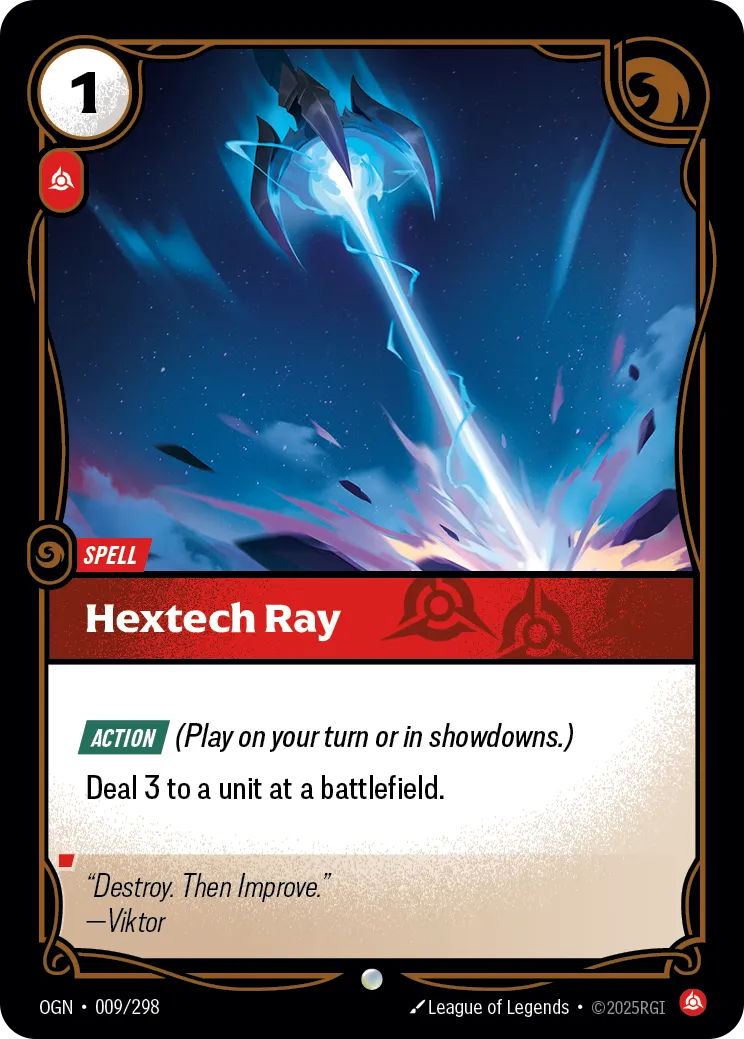
Hextech Ray
OGN-009 · Spell
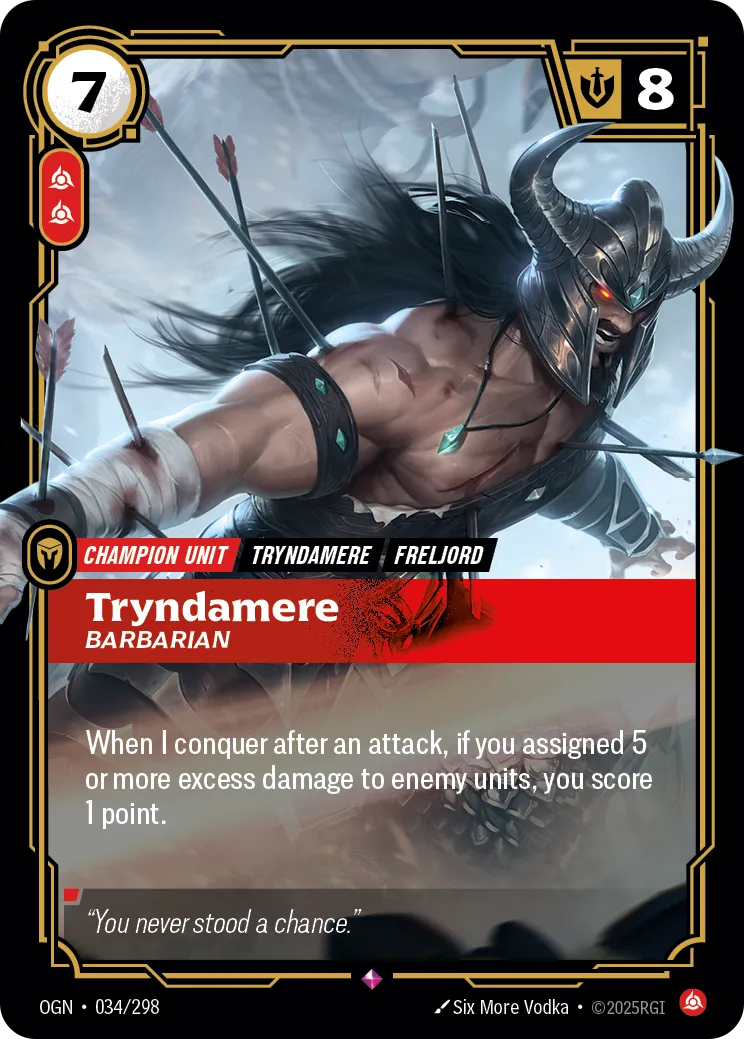
Tryndamere - Barbarian
OGN-034 · Unit
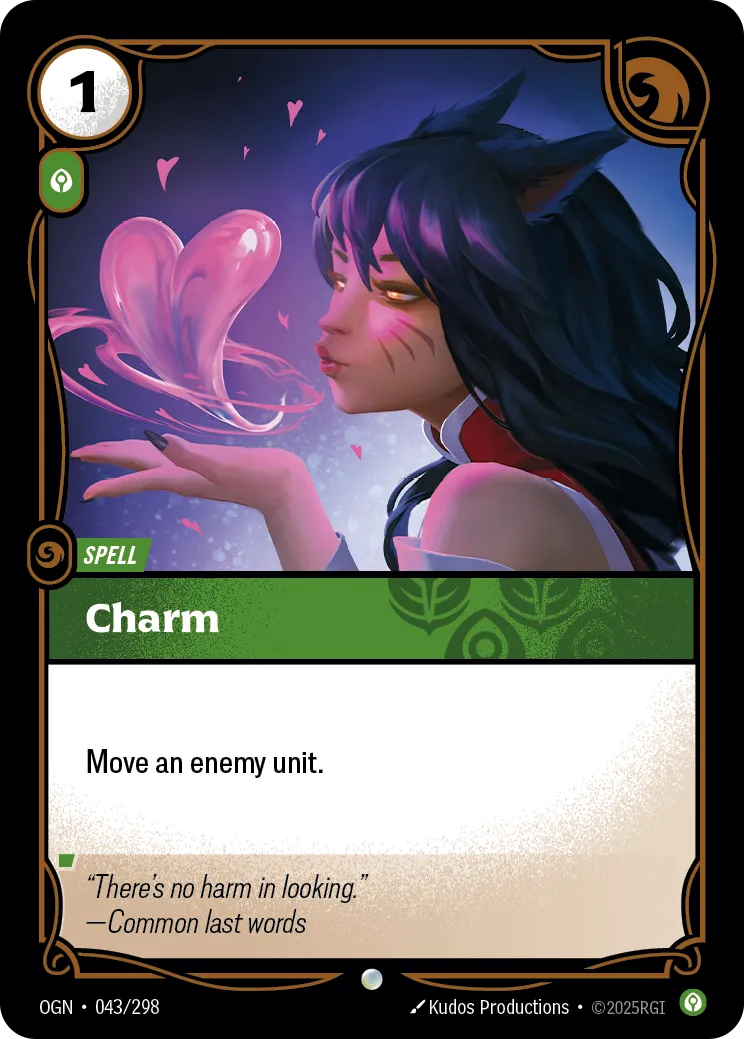
Charm
OGN-043 · Spell
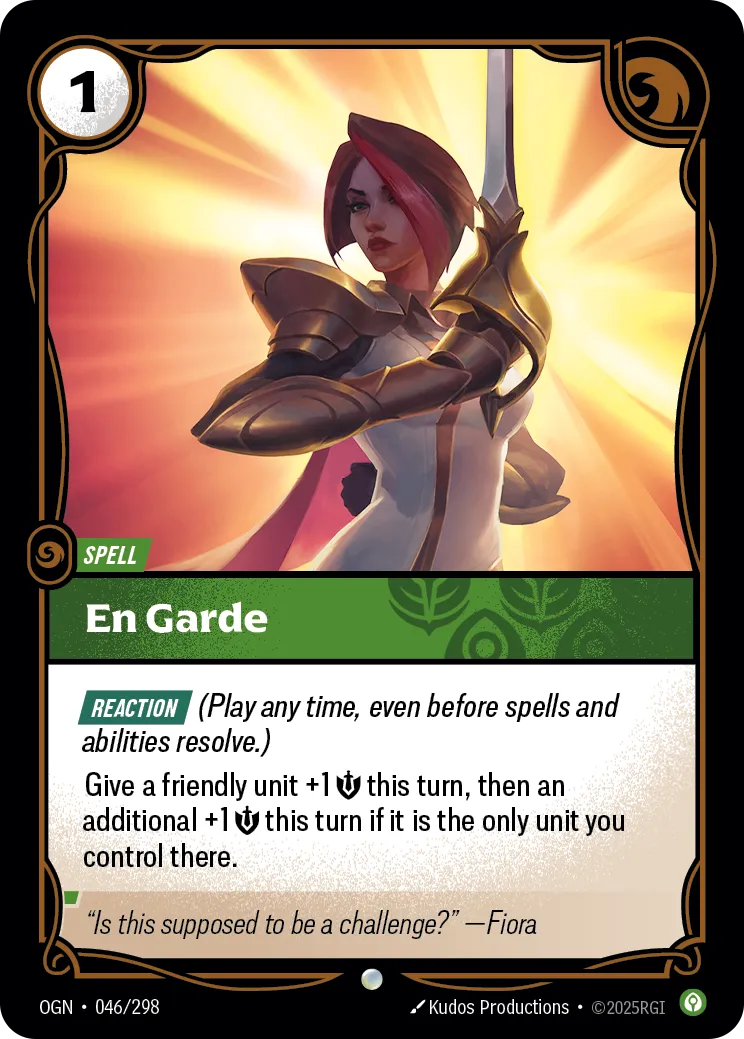
En Garde
OGN-046 · Spell
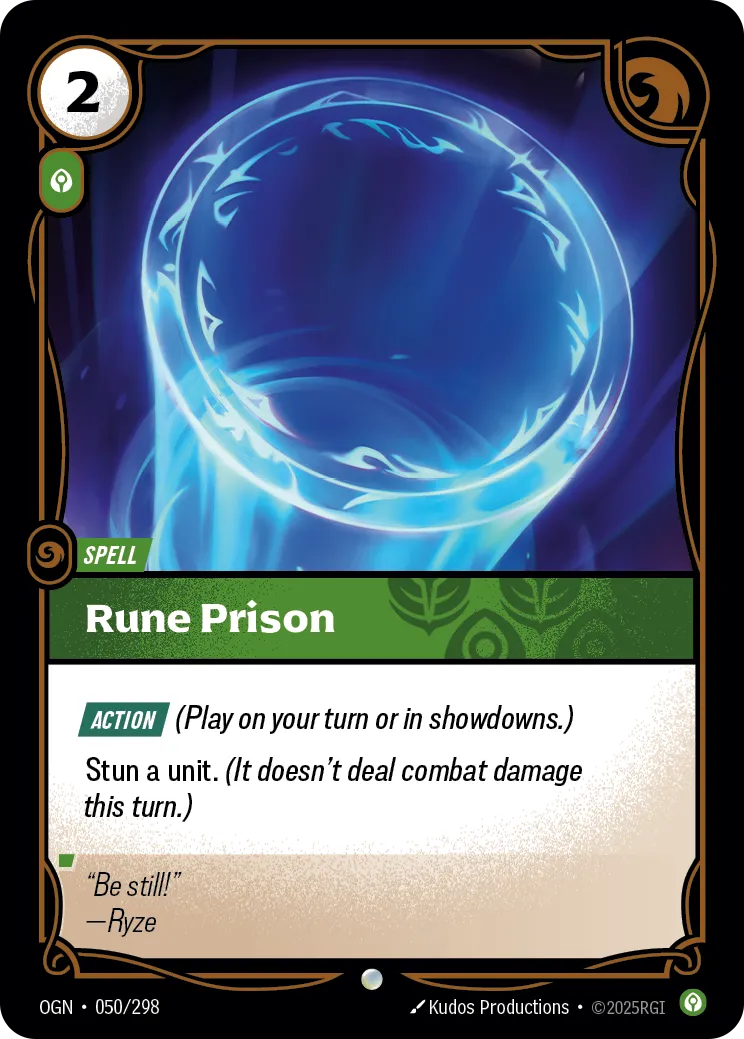
Rune Prison
OGN-050 · Spell
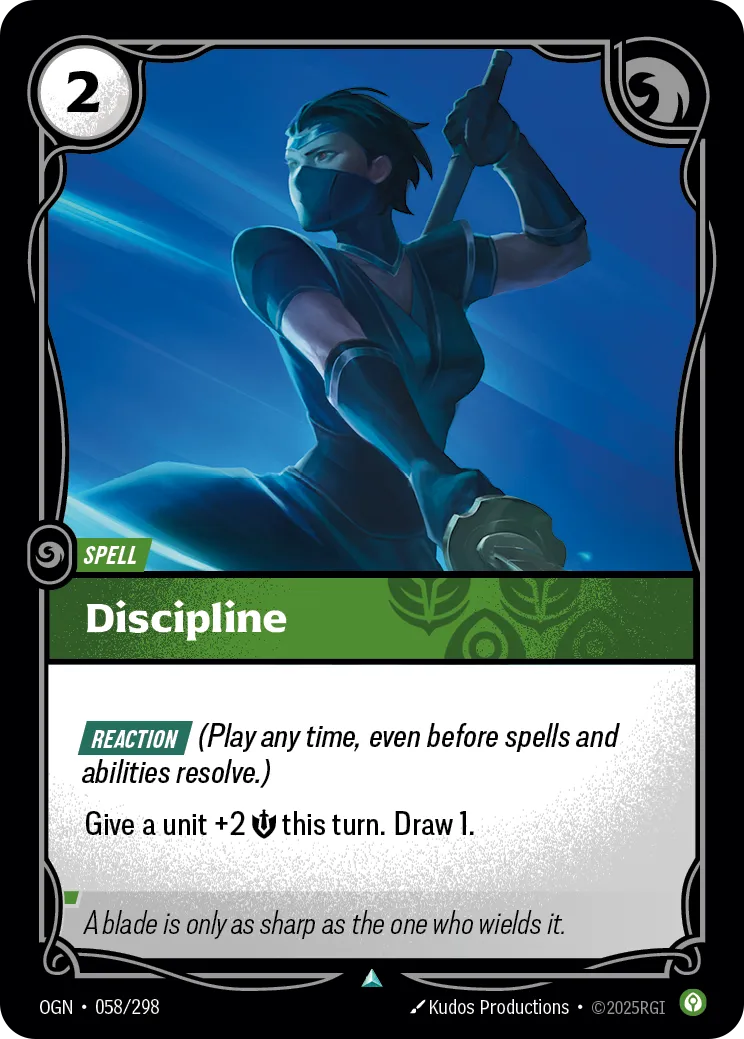
Discipline
OGN-058 · Spell
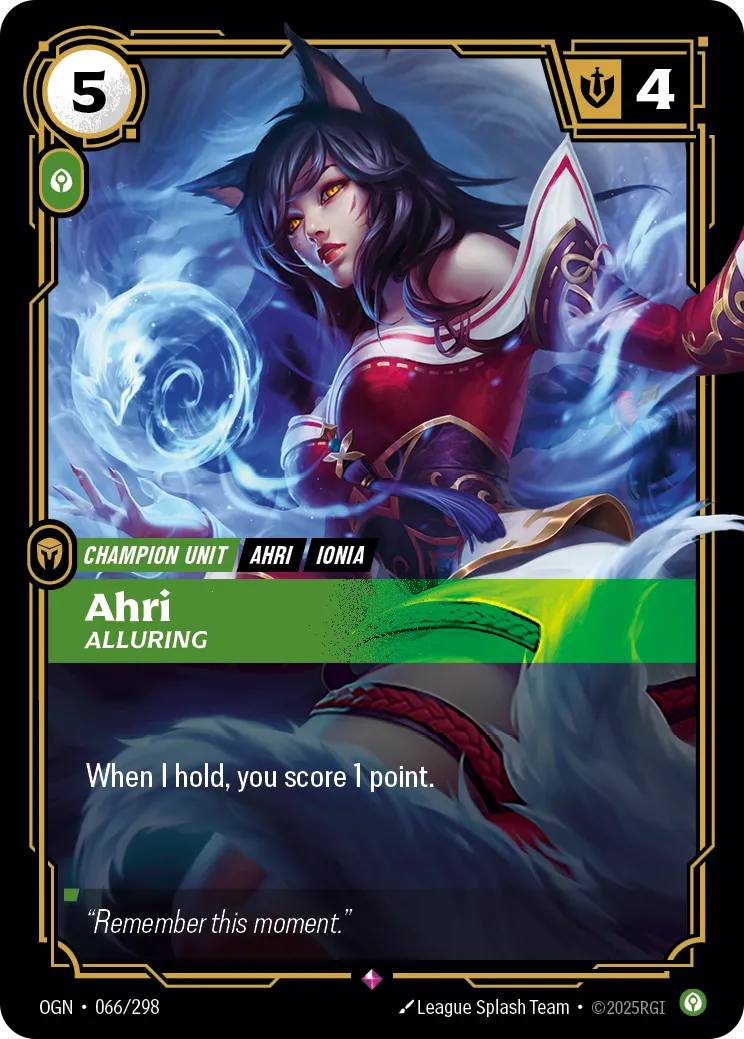
Ahri - Alluring
OGN-066 · Unit
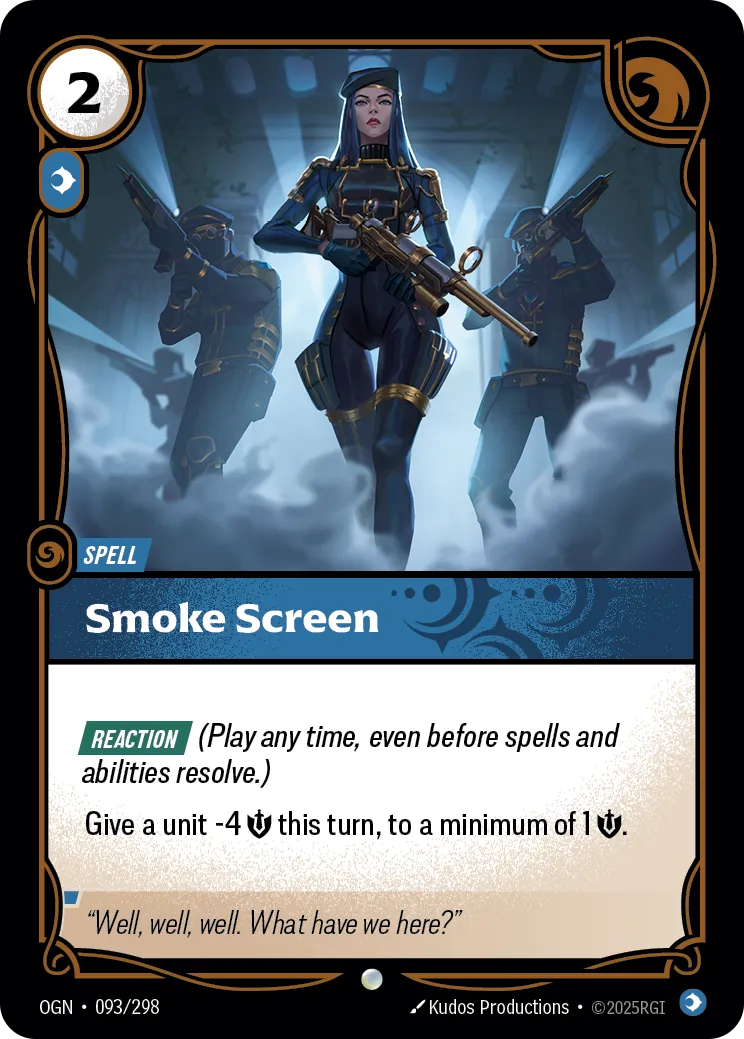
Smoke Screen
OGN-093 · Spell
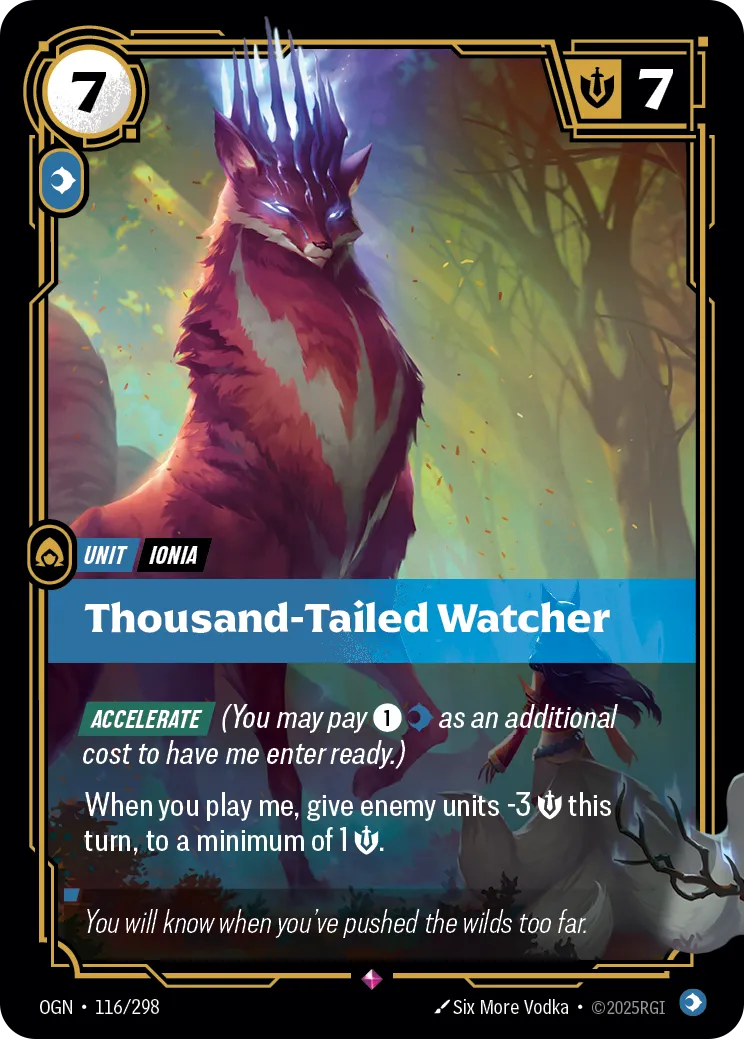
Thousand-Tailed Watcher
OGN-116 · Unit
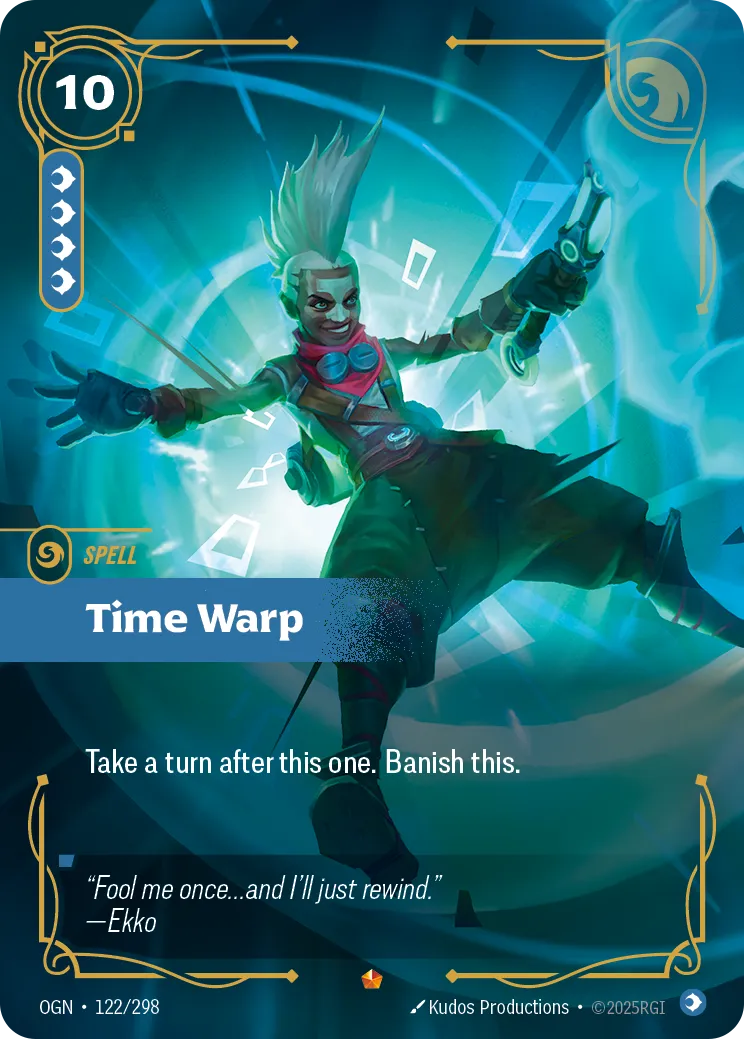
Time Warp
OGN-122 · Spell
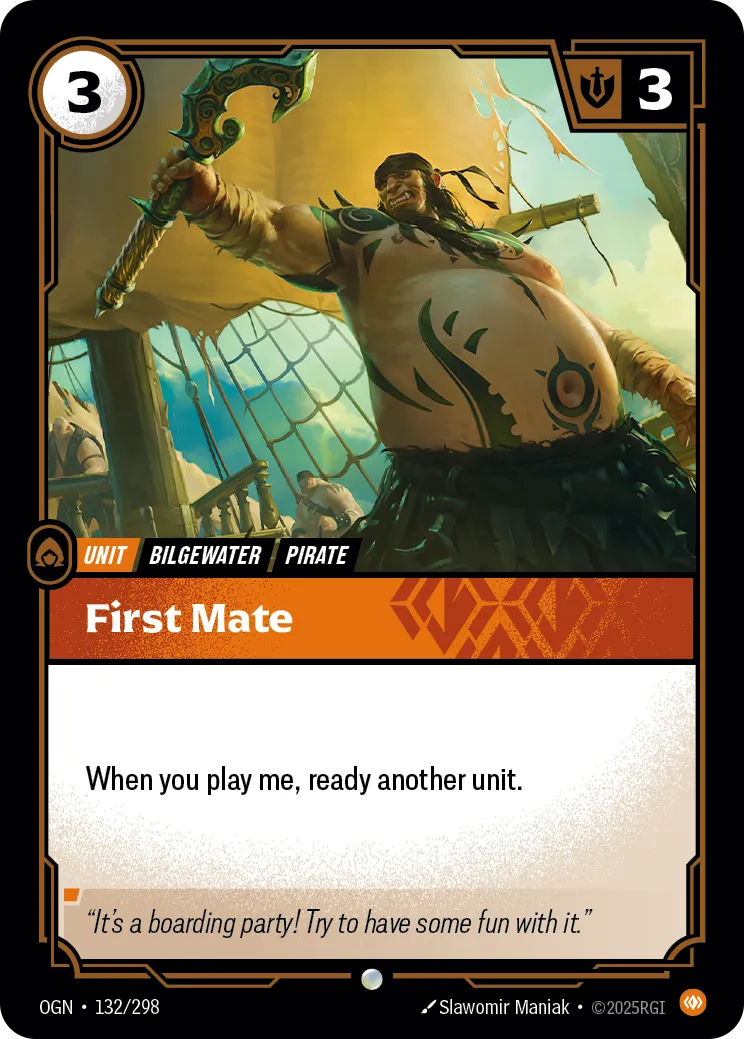
First Mate
OGN-132 · Unit
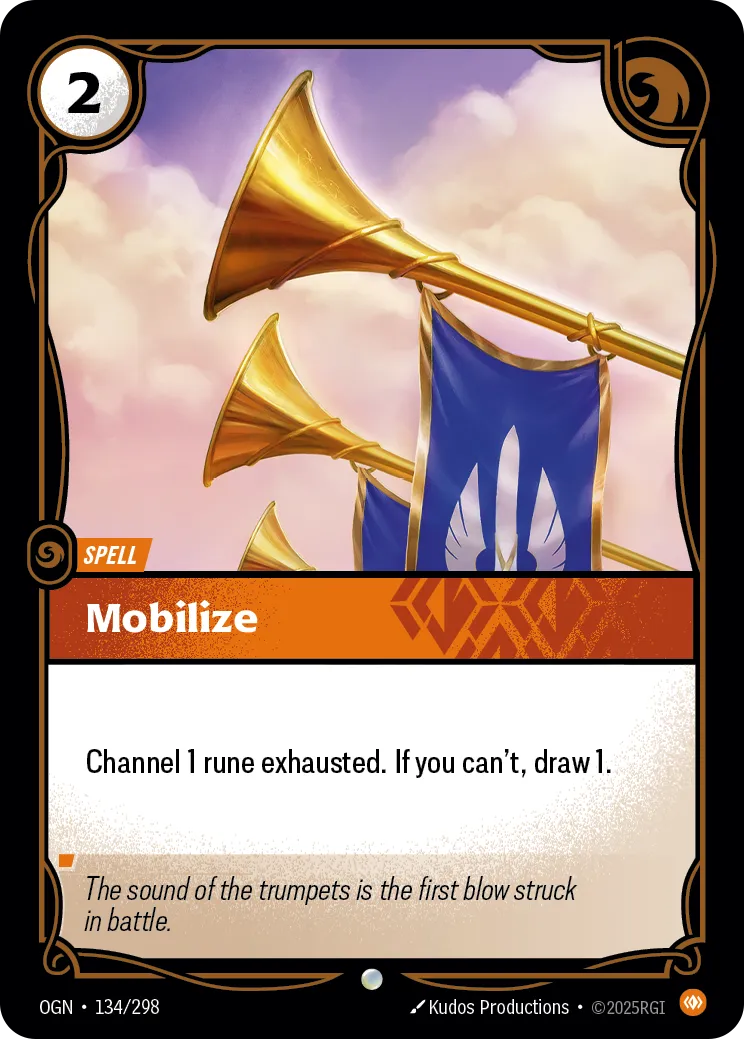
Mobilize
OGN-134 · Spell
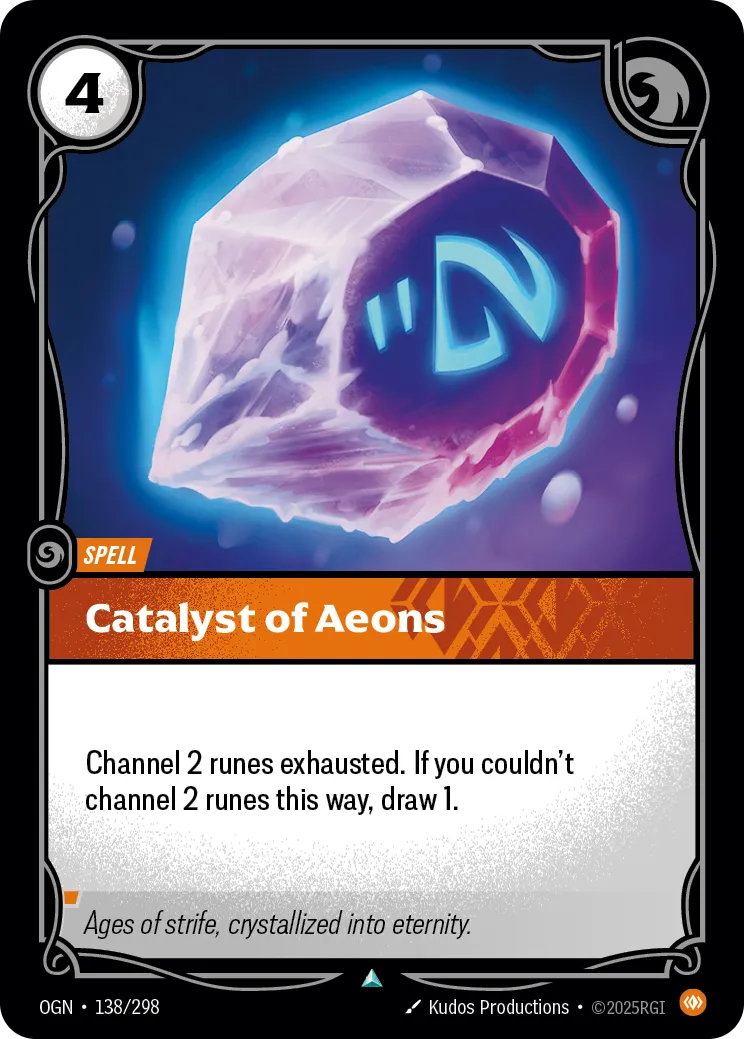
Catalyst of Aeons
OGN-138 · Spell
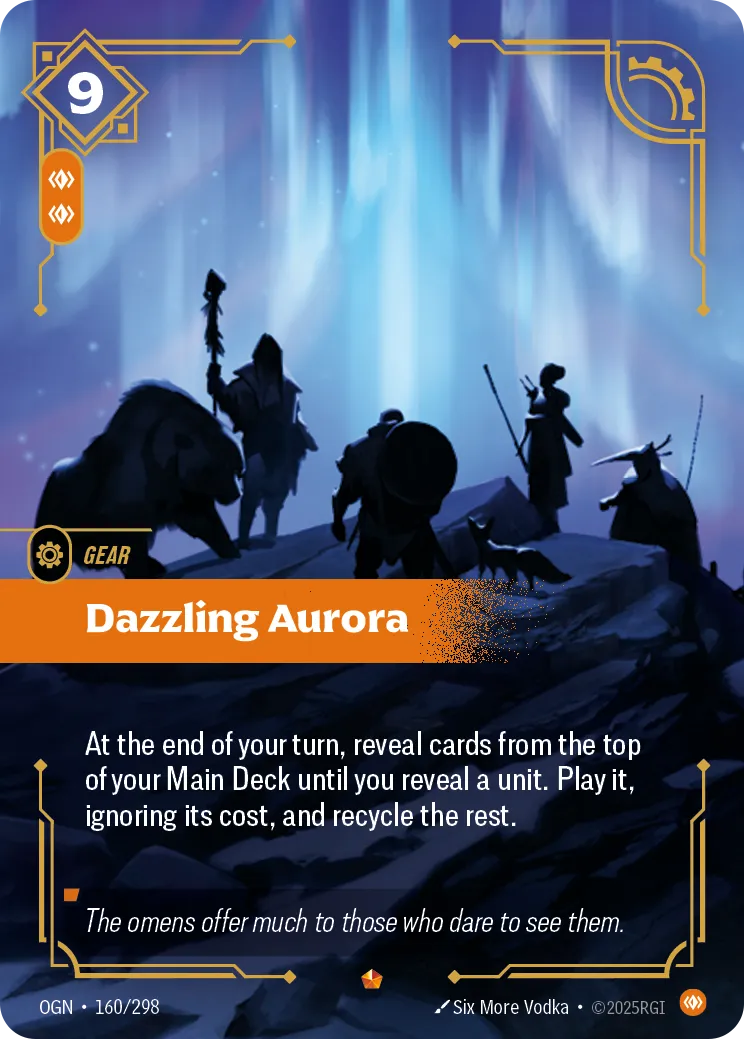
Dazzling Aurora
OGN-160 · Gear
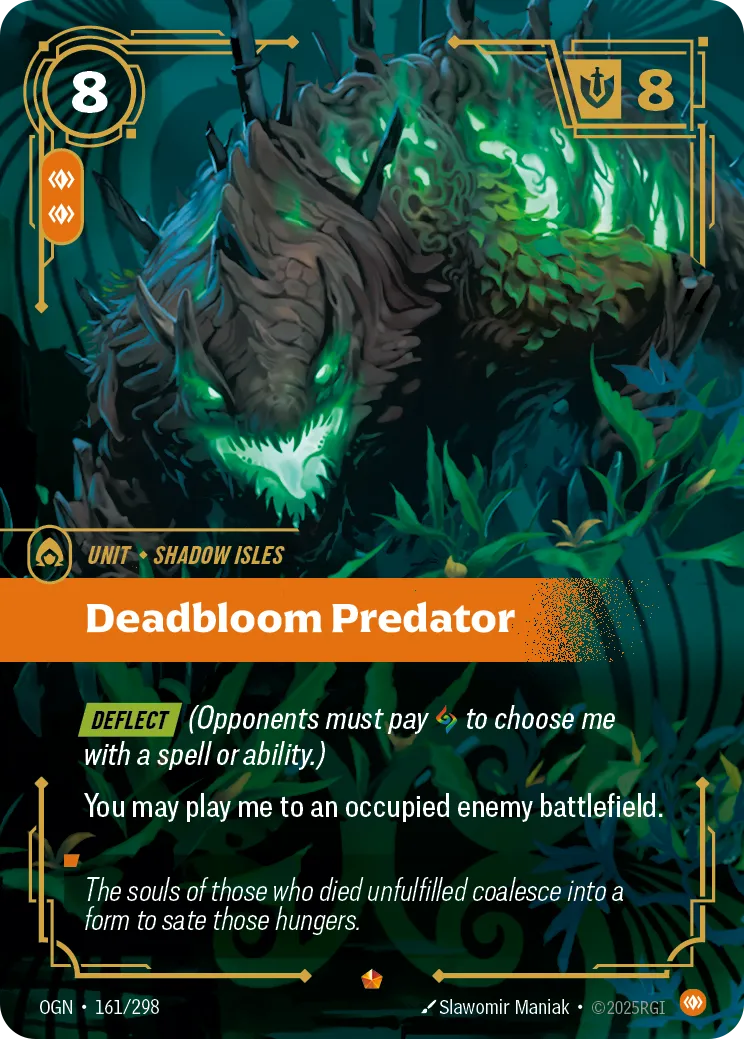
Deadbloom Predator
OGN-161 · Unit
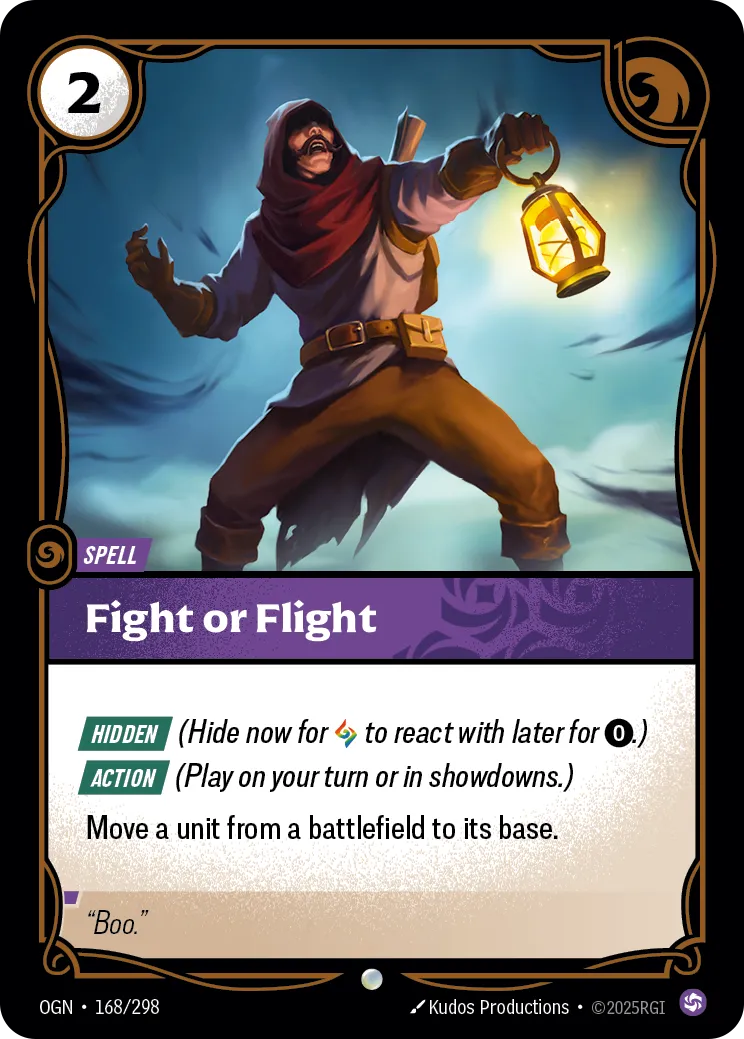
Fight or Flight
OGN-168 · Spell
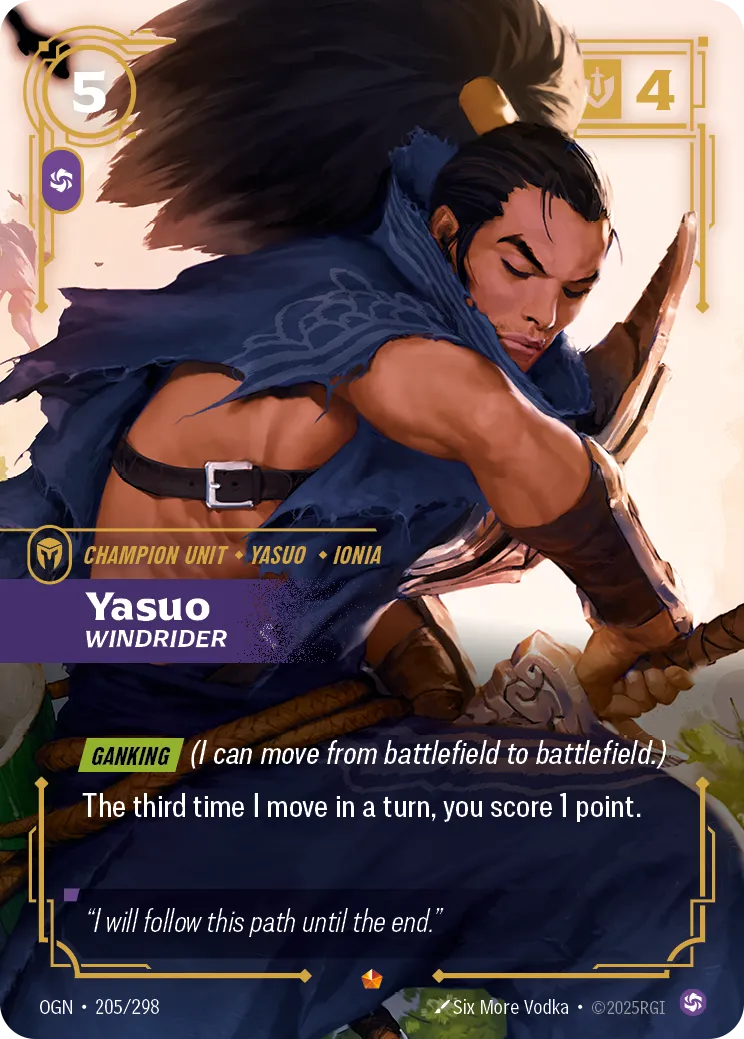
Yasuo - Windrider
OGN-205 · Unit
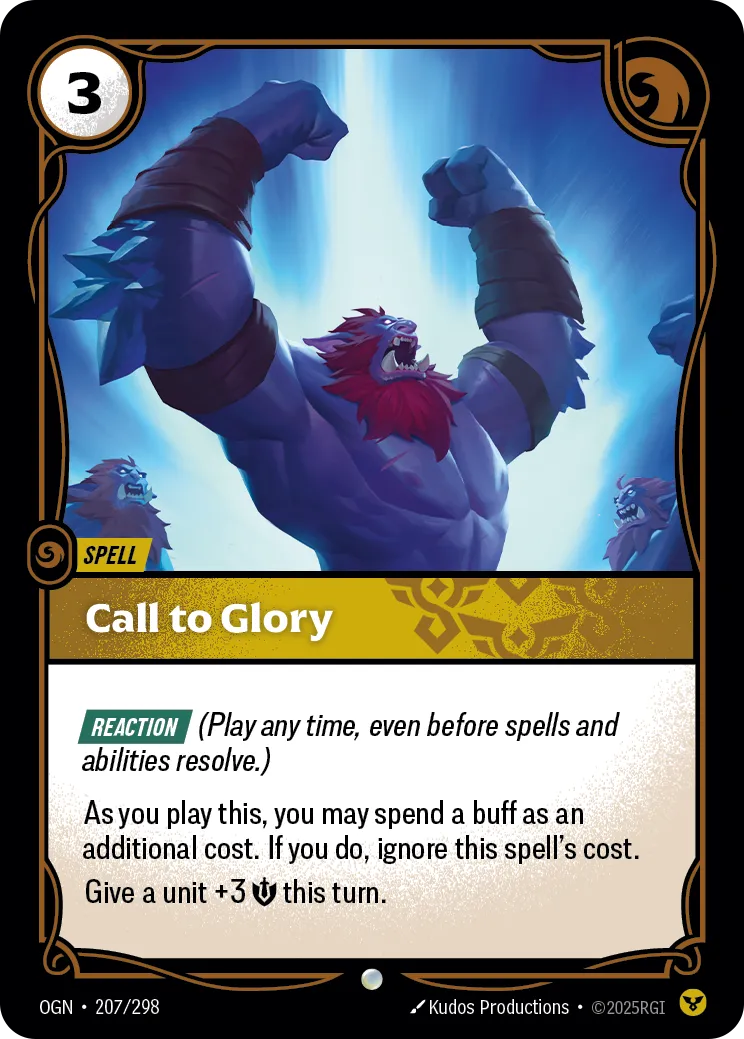
Call to Glory
OGN-207 · Spell
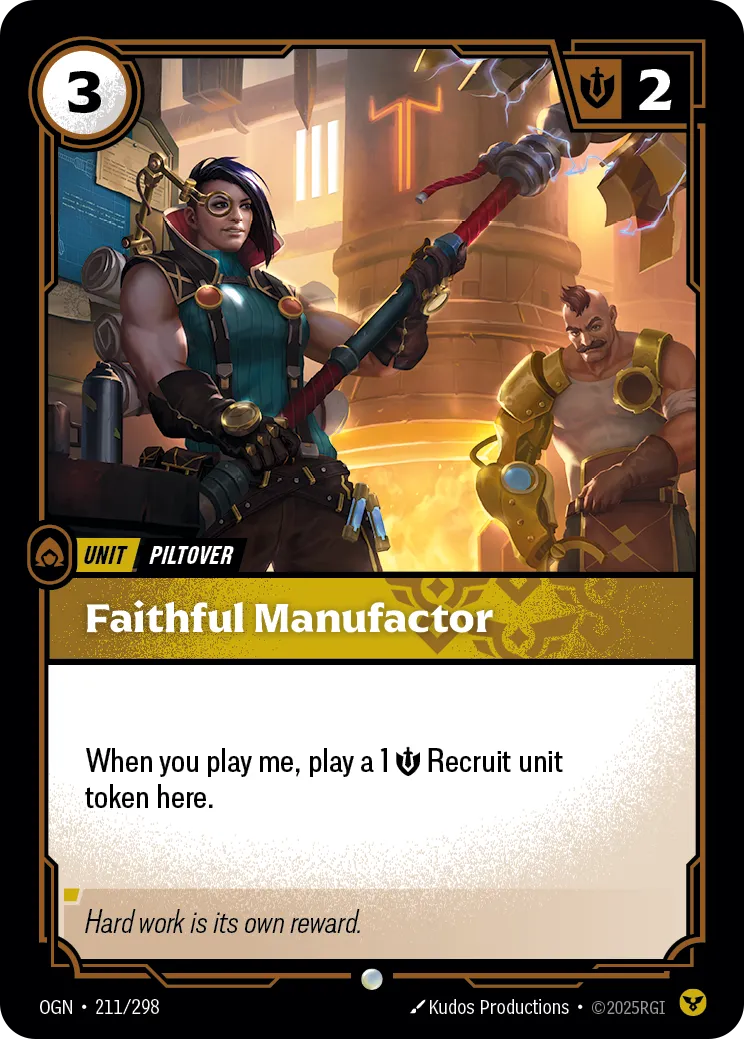
Faithful Manufactor
OGN-211 · Unit
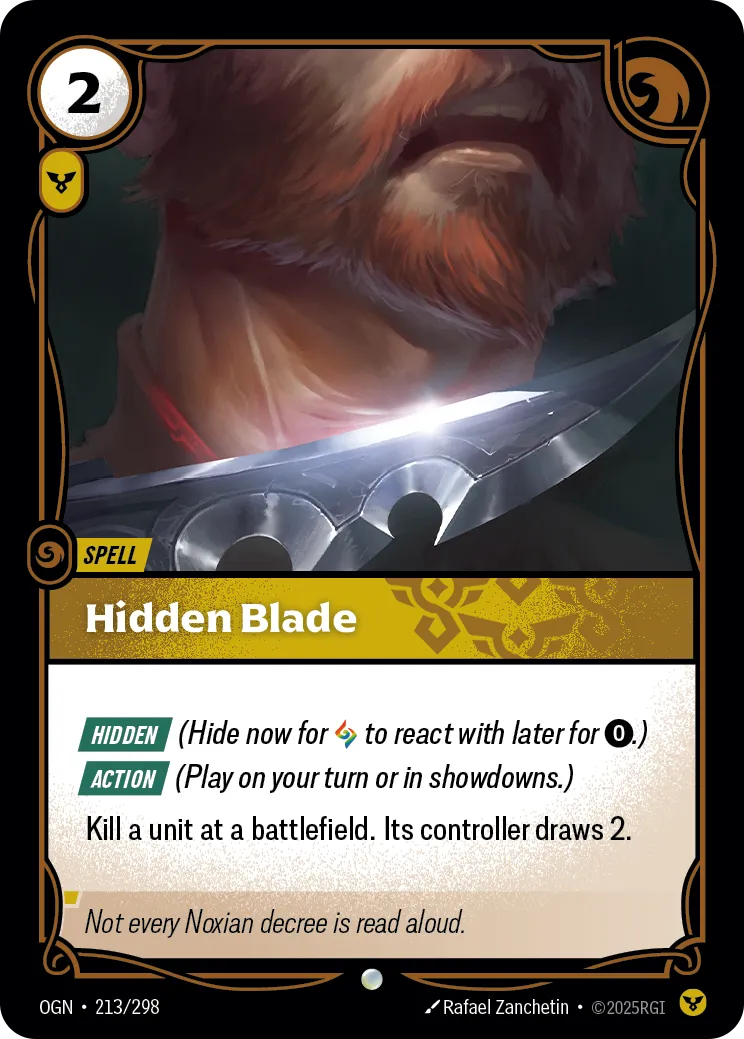
Hidden Blade
OGN-213 · Spell
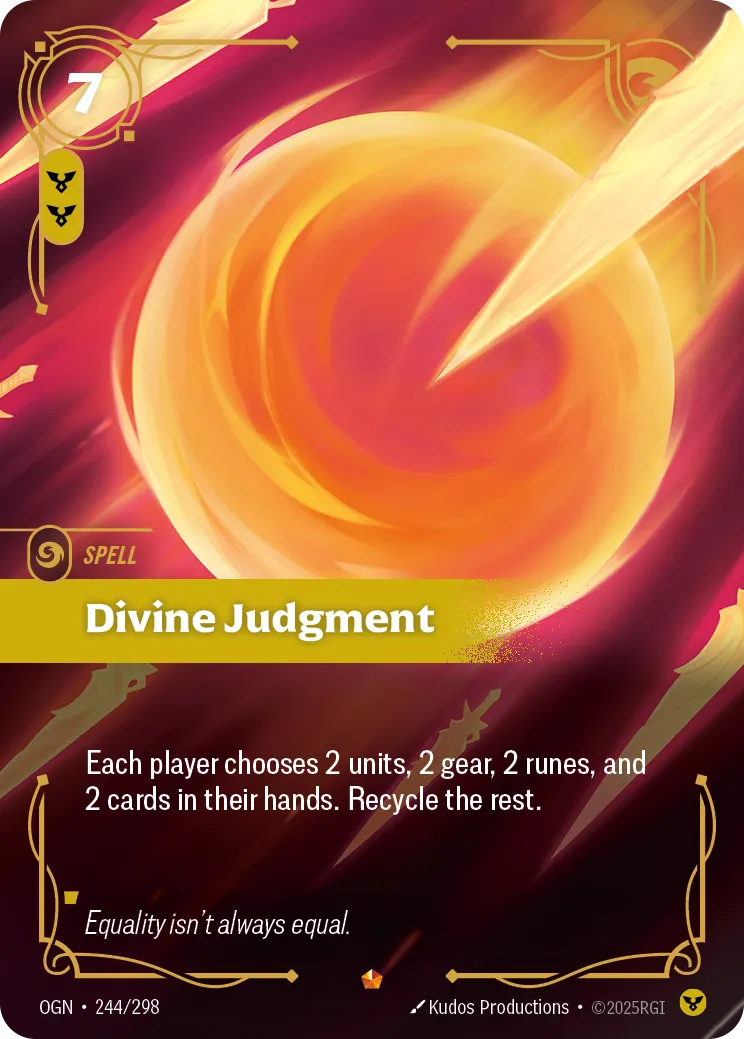
Divine Judgment
OGN-244 · Spell
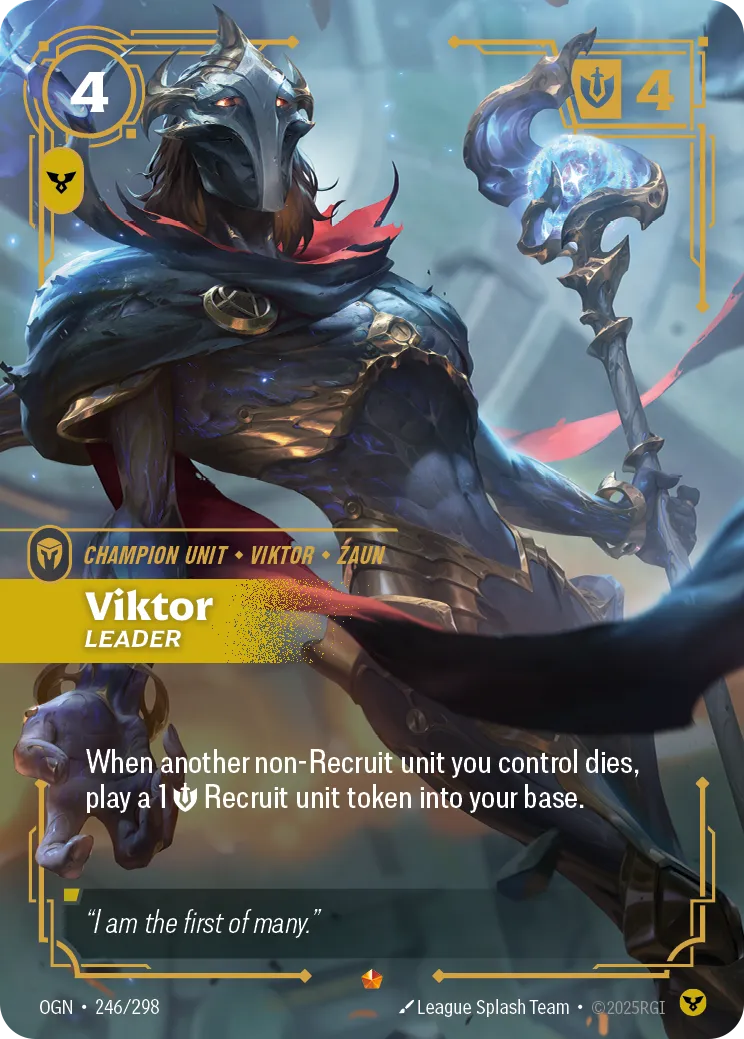
Viktor - Leader
OGN-246 · Unit
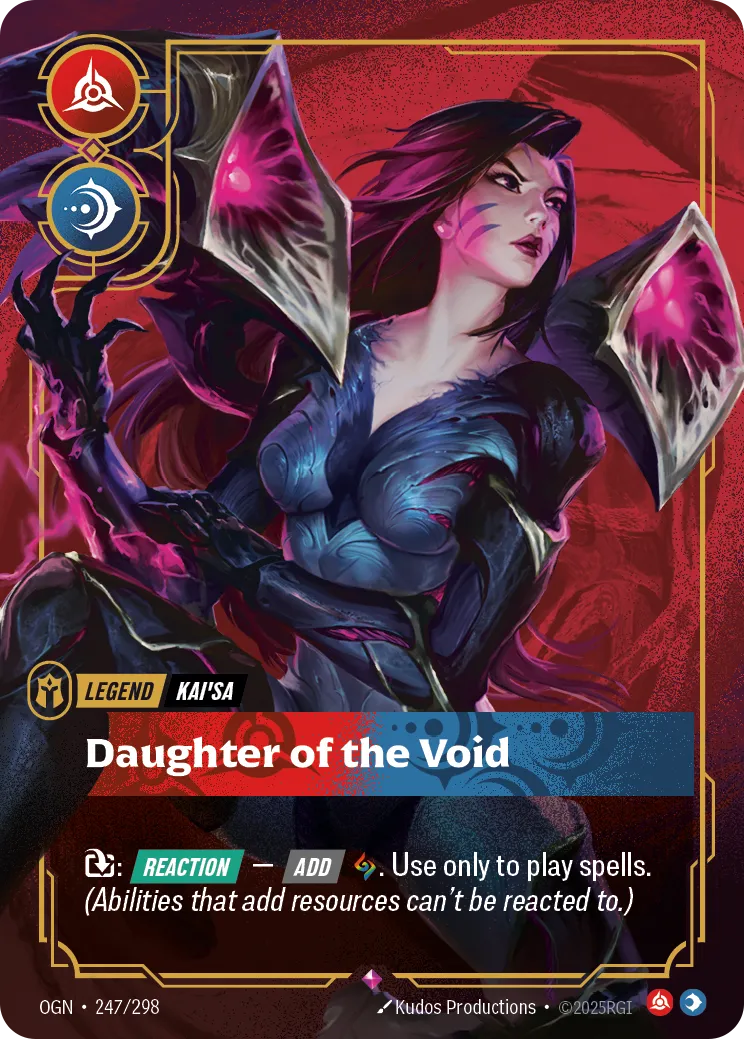
Kai'Sa - Daughter of the Void
OGN-247 · Legend
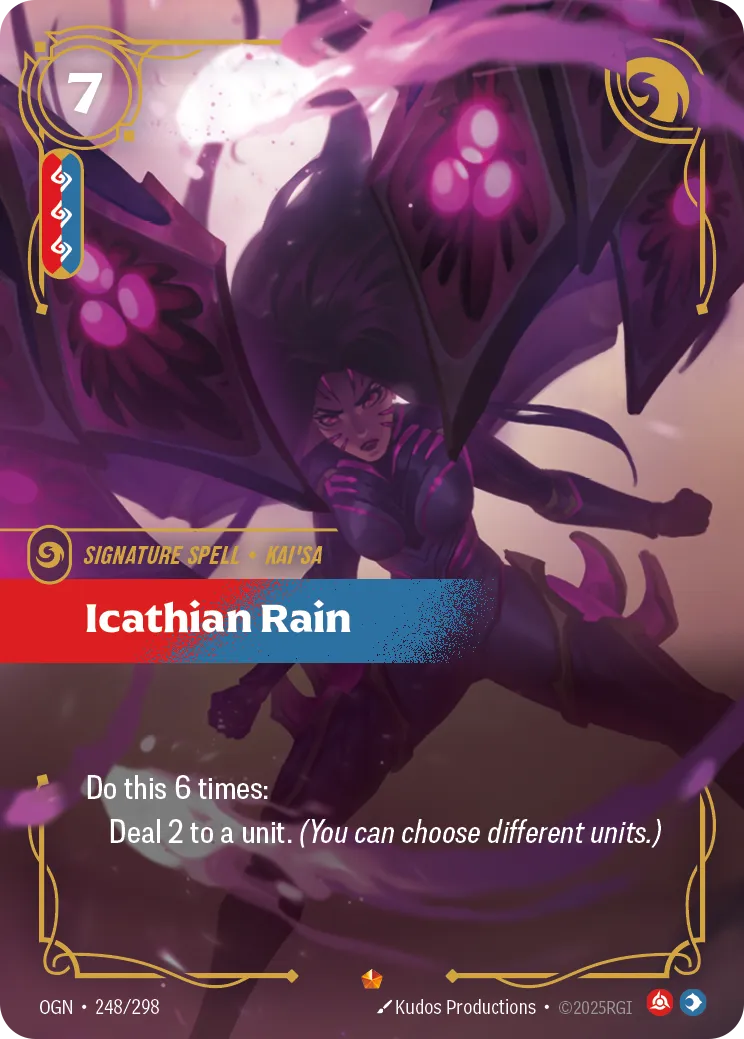
Icathian Rain
OGN-248 · Spell